The SAIPEM 12000 is a 6th-generation ultra-deepwater drillship operating within the Saipem fleet. The unit is engineered for offshore drilling campaigns, including exploration, appraisal and development drilling, as well as well completion operations. Designed for ultra-deepwater environments, the vessel can operate in water depths of up to 12,000 ft and drill wells down to 35,000 ft, supporting complex offshore projects worldwide.
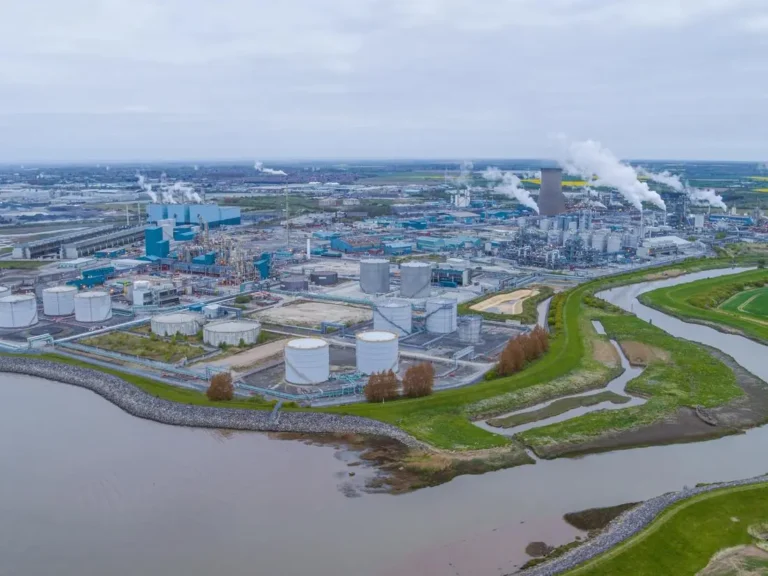
The production of renewable products began at the Rotterdam refinery in the Netherlands in 2011, marking a significant milestone in sustainability efforts. With Neste’s current capacity for renewable products standing at 1.4 million tons in Rotterdam, it currently holds the title for the largest such capacity in Europe.
To further bolster its commitment to renewable energy, Neste is undertaking a substantial investment of approximately EUR 1.9 billion for the expansion of the Rotterdam refinery. This expansion project aims to increase overall renewable product capacity by 1.3 million tons per annum. Consequently, the total renewable product capacity in Rotterdam will soar to 2.7 million tons annually, with sustainable aviation fuel (SAF) production capability accounting for 1.2 million tons. The target timeline for starting up the new production unit is set for 2026.
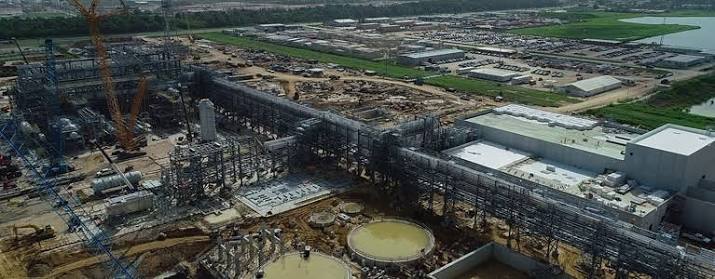
PEMEX is investing in constructing two new coker plants at the Tula refinery and Salina Cruz refinery, scheduled to go online in 2024, to phase out fuel oil production. The Salina Cruz cracking refinery, located in Oaxaca, Mexico, is a non-integrated cracking facility owned by Petroleos Mexicanos. It commenced operations in 1979 and boasts a Nelson Complexity Index (NCI) of 8.1. Works on the Salina Cruz unit began in 2022. The plant is expected to contribute to the elimination of fuel oil and the increased production of ultra-low sulfur gasoline and diesel at the refinery.