Search

Instrumentation & Analyzers

Our solutions are based on the study of individual project specifications with related analytical methods and available spaces in order to identify the best solution.

Typologies

Accessories

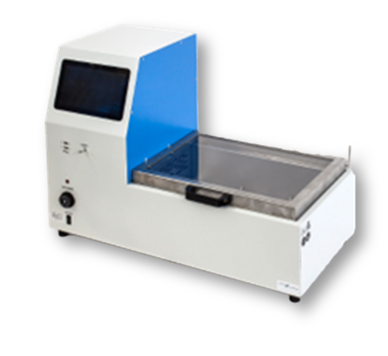
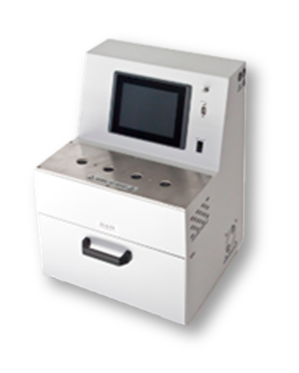
Major Analyzers:

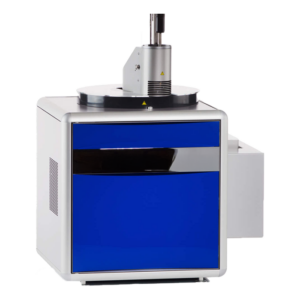
  • Mass spectrometry (GC-MS, LC-MS)

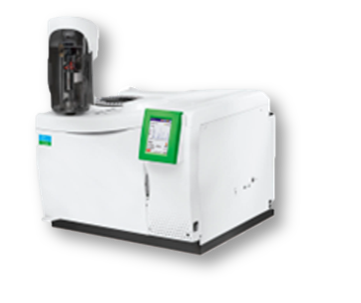
  • Gas chromatography (GC) And liquid chromatography (HPLC)

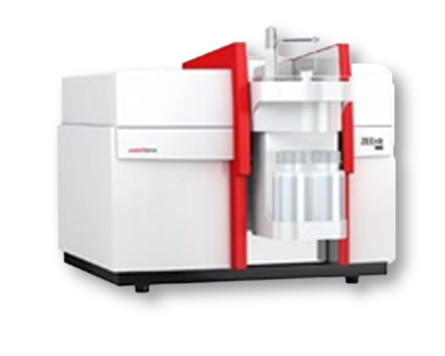
  • Atomic spectroscopy, atomic emission (ICP-MS E OES), Atomic absorption (AA), Fluorescence and X-Ray diffraction

  • TOC and elemental analysis

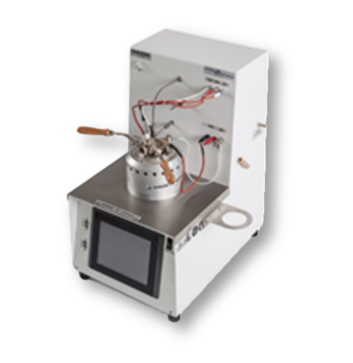
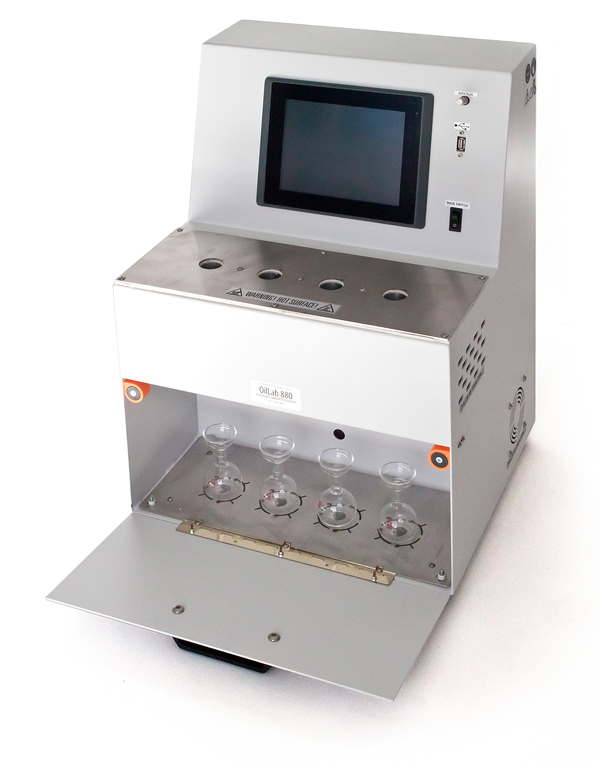
  • Pensky martens (ASTM D93 A/B/C, ASTM D3941, ASTM E502)

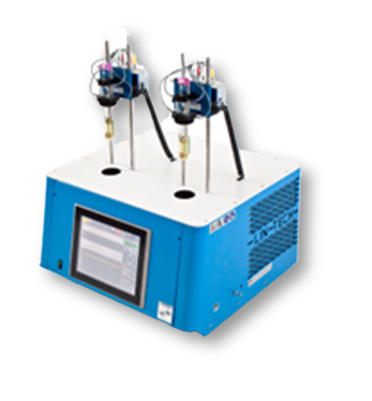
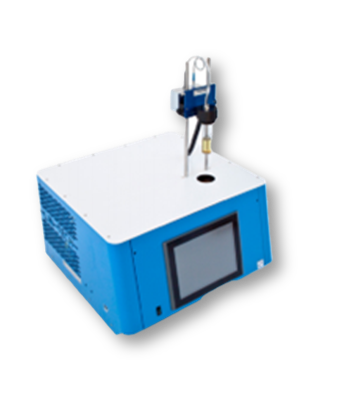
  • Cloud point (ASTM D2500, D5771, D5772, D5773)

  • CFPP (ASTM D6371)

  • Reid vapour pressure (ASTM D323)

  • Saybolt viscometer (ASTM D88, D7496, E102)

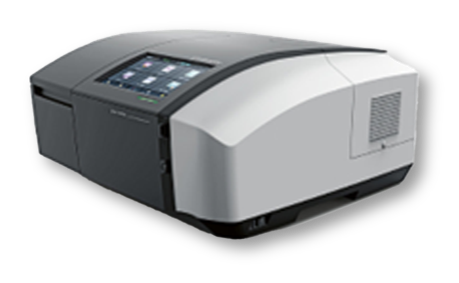
  • Molecular Spectroscopy (UV-VIS-NIR,FTIR)

Our catalogue

Discover all our innovative solutions in one comprehensive catalogue.

PROJECTS

Our Successful Projects

Oil&Gas

Neptun Deep Project

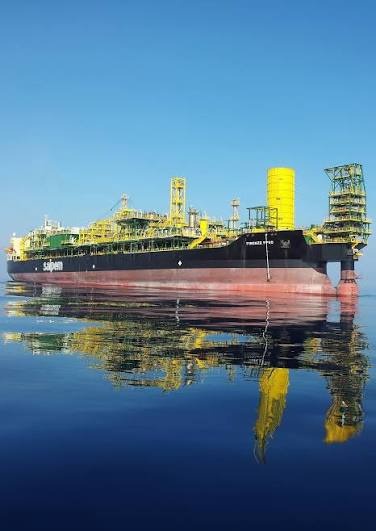
The Neptun Deep Project is a deepwater offshore project located in the Romanian sector of the Black Sea. With OMV Petrom as operator, the project involves the development of the Domino and Pelican South gas fields through 11 offshore wells, 3 subsea infrastructure, a production platform and a pipeline to shore. Its objective is to enhance the value of the Black Sea natural gas resources, increase Romania’s domestic production and strengthen the country’s energy supply security.

Oil&Gas

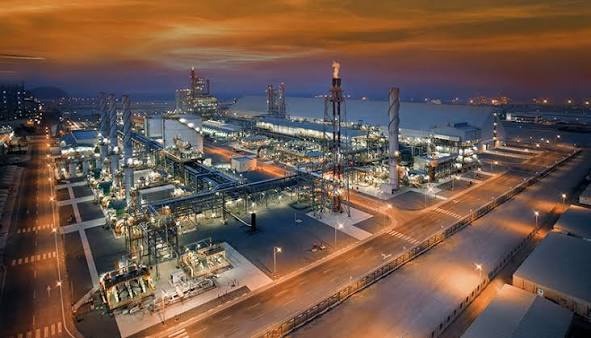
Assiut Hydrocracking Complex

The Assiut oil refinery in Egypt is undergoing a significant expansion and modernization effort to meet the rising demand for petroleum products in Upper Egypt. As part of the refinery upgrade, new facilities including a naphtha complex and a hydrocracking complex will be added. This expansion and modernization initiative will further boost the refining capacity of the existing refinery. Presently, the refinery processes 4.5 million tonnes per annum (Mtpa) of distillation crude.

Bioenergy

H2GS — Sweden — 2.1 MTPY HDRI and BRI Plant

H2 Green Steel was launched in 2021 in Boden, northern Sweden, is designed to produce 2.1 million tonnes per year of hot direct reduced iron (HDRI) and hot briquetted iron (HBI) using fossil-free hydrogen-based direct reduction technology. The project aims to decarbonize steel production by replacing fossil fuels with renewable hydrogen during the iron reduction process. Integrated with an electric arc furnace (EAF), the plant is expected to reduce CO₂ emissions from ironmaking by up to 95% compared with conventional blast furnace technology, supporting the production of near-zero-emission steel. The start of production is planned in 2026.

Get in touch

Do you have a question or need specific information? 
Write to us and we can best advise you.

Request a quote

Our technicians will be able to support you in analyzing all your needs and identifying the most suitable product for your needs