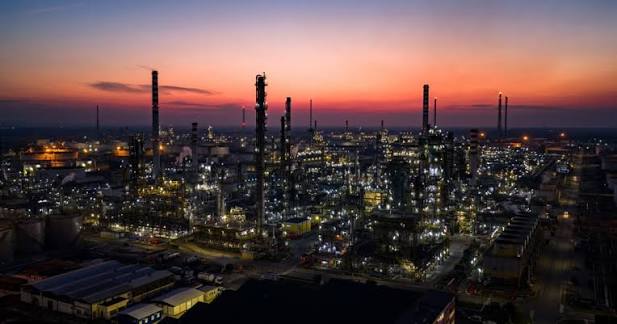
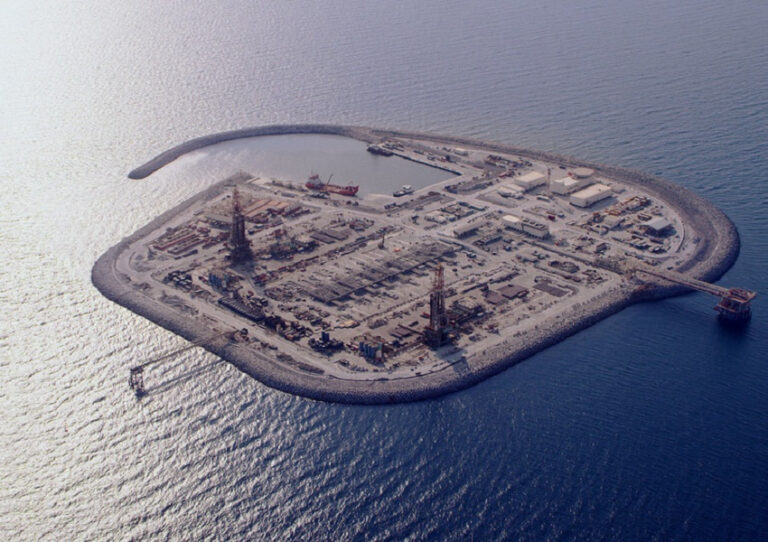
Hail & Ghasha Gas Development is one of the world’s largest sour gas development projects. It includes the development of the offshore Hail, Ghasha, Dalma, Nasr, SARB, Bu Haseer, Shuweihat and Mubarraz fields, together with the construction of new offshore infrastructure and onshore gas processing facilities. The project is also designed to become the world’s first net-zero sour gas development. Package 2 (PKG-2) covers the construction of the onshore gas processing facilities. Its main scope includes sour gas processing plants, sulfur recovery and by-product handling units, compression systems, utilities and auxiliary infrastructure, as well as connections to the offshore installations and the UAE’s national gas network. The project aims to increase the United Arab Emirates’ natural gas production, support domestic energy self-sufficiency and boost exports, while reducing the carbon intensity of operations through the integration of Carbon Capture and Storage (CCS) technologies. Once completed, the development is expected to produce approximately 1.5–1.8 billion standard cubic feet of natural gas per day (bcf/d), in addition to condensate and sulfur, making a significant contribution to ADNOC’s long-term gas strategy.