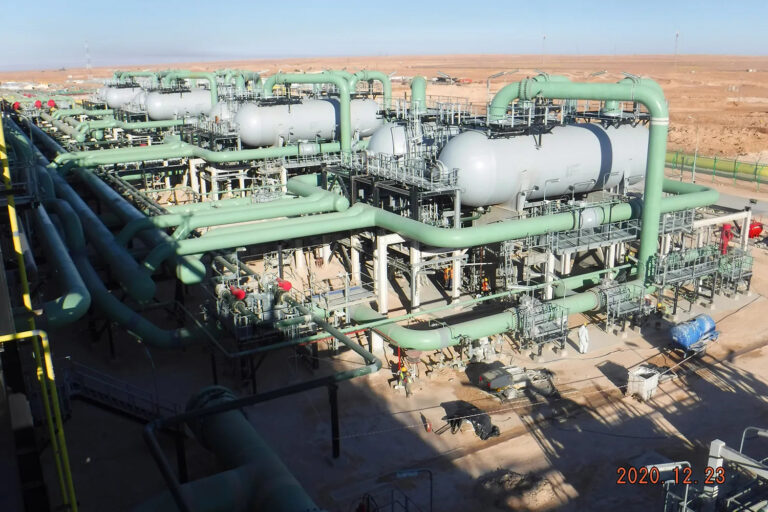
Located onshore Libya, the Abu Attifel and NC 125 fields are active in conventional oil production. Their peak production occurred in 1994, having already recovered 92.14% of their total recoverable reserves. Economic projections indicate that oil extraction will continue until these fields reach their economic limit by 2046. Presently, these fields contribute approximately 5% to Libya’s daily oil output.
The Assiut oil refinery in Egypt is undergoing a significant expansion and modernization effort to meet the rising demand for petroleum products in Upper Egypt.
As part of the refinery upgrade, new facilities including a naphtha complex and a hydrocracking complex will be added.
This expansion and modernization initiative will further boost the refining capacity of the existing refinery. Presently, the refinery processes 4.5 million tonnes per annum (Mtpa) of distillation crude.
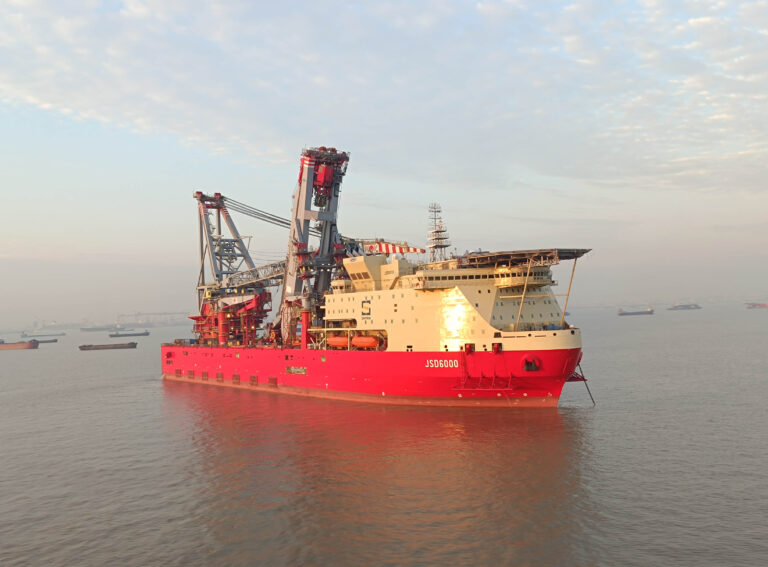
The project involves fitting scrubbers onto container ships totaling a capacity of 8.09 million TEU. This initiative aims to comply with a new regulation enforced by the International Maritime Organization (IMO) since January 1st, 2020, which mandates an 85% reduction in sulfur emissions from shipping companies. The goal is to mitigate the sector’s environmental impact and enhance air quality. Scrubbers offer an effective solution for controlling emissions from large vessels by filtering exhaust gases produced during fuel combustion, thereby reducing pollution.