Search

Conduits

Spina Group offers a comprehensive range of conduits designed for high-performance electrical installations, adhering to applicable standards based on project needs. We supply rigid conduits, threaded conduits, and related accessories, ensuring optimal mechanical protection and electromagnetic shielding for electrical conductors and cables.

These conduits are essential in industrial settings, particularly in environments subject to vibration, such as motors, pumps, and pendant lighting. Additionally, they are ideal for installations in hazardous areas, meeting strict standards like ANSI C80.1, UL 6, and NEC requirements.

Available in materials such as hot-dip galvanized steel, aluminum, and stainless steel, our conduits ensure durability and reliability even in the most demanding applications, both onshore and offshore.

Our Offer

Galvanized Rigid Steel Conduit

Our threaded electrical conduits, made from hot-dip galvanized steel (or available in aluminum, AISI 304, and AISI 316 stainless steel upon request), meet ANSI C80.1 and UL 6 standards. Designed for high mechanical protection and cable routing, they comply with NEC Art. 344 for use in Class I, II, and III hazardous environments. These conduits also provide electromagnetic shielding and interference reduction, ensuring safe and reliable installations in demanding industrial settings.
Stainless Steel Rigid Conduit
Rigid steel conduits in Fe360, hot-dip galvanized to EN 10240 standards, are ideal for connections to equipment subject to vibration, such as motors and pumps. They are also perfect for pendant lighting and challenging bends where flexibility is needed. Durable and reliable, they ensure safe electrical installations in demanding environments.

Latest successful projects

Petrochemical

Project CERES

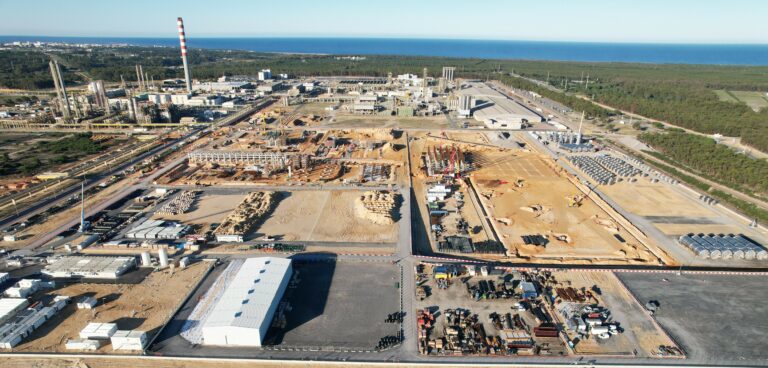
The Ceres Urea Plant, located on the coast of Western Australia, is a large onshore facility for the production of ammonia and urea from natural gas. Once completed, it will be the world’s largest gas-based ammonia and urea production plant. It uses local natural gas to produce fertilizers, integrating ammonia production, urea production, granulation, auxiliary services, port infrastructure and water supply facilities. The plant will include production areas, storage facilities and administrative functions. A 3.2 km conveyor belt will connect the plant to the port for the transport and loading of urea intended for export. The facility is designed to contribute to the target of achieving net-zero carbon emissions by 2050.

Bioenergy

ENAP Chile — WSA and SWS Units

ENAP, Chile’s state-owned integrated oil and gas company, has implemented Wet Gas Sulfuric Acid (WSA) and Sour Water Stripping (SWS) units at its Bío Bío Refinery in Hualpén as part of its environmental upgrade program. These facilities are designed to reduce sulfur emissions, treat sour process water, and support compliance with Chile’s stringent environmental regulations while improving the refinery’s overall environmental performance.

Oil&Gas

Hail & Ghasha Gas Development

Hail & Ghasha Gas Development is one of the world’s largest sour gas development projects. It includes the development of the offshore Hail, Ghasha, Dalma, Nasr, SARB, Bu Haseer, Shuweihat and Mubarraz fields, together with the construction of new offshore infrastructure and onshore gas processing facilities. The project is also designed to become the world’s first net-zero sour gas development. Package 2 (PKG-2) covers the construction of the onshore gas processing facilities. Its main scope includes sour gas processing plants, sulfur recovery and by-product handling units, compression systems, utilities and auxiliary infrastructure, as well as connections to the offshore installations and the UAE’s national gas network. The project aims to increase the United Arab Emirates’ natural gas production, support domestic energy self-sufficiency and boost exports, while reducing the carbon intensity of operations through the integration of Carbon Capture and Storage (CCS) technologies. Once completed, the development is expected to produce approximately 1.5–1.8 billion standard cubic feet of natural gas per day (bcf/d), in addition to condensate and sulfur, making a significant contribution to ADNOC’s long-term gas strategy.

Need help?

Get in touch

Do you have a question or need specific information? 
Write to us and we can best advise you.

Request a quote

Our technicians will be able to support you in analyzing all your needs and identifying the most suitable product for your needs

Download the catalogue

Download our PDF catalog to get all the detail information related to this product category