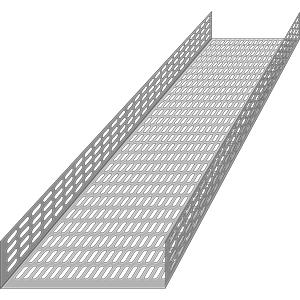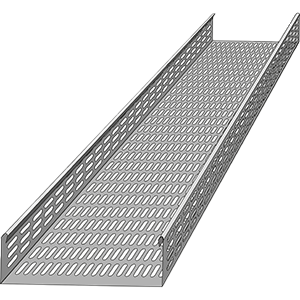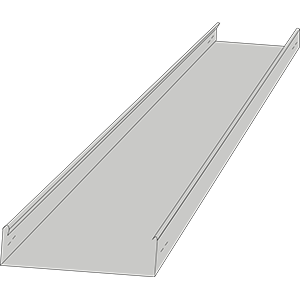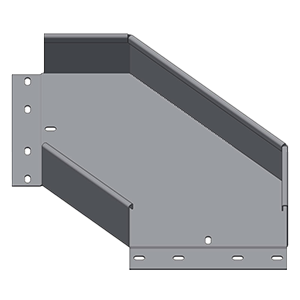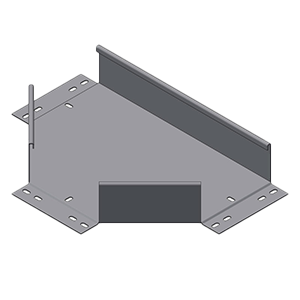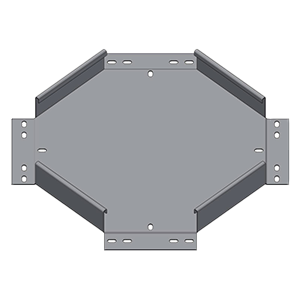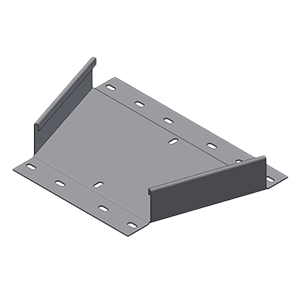
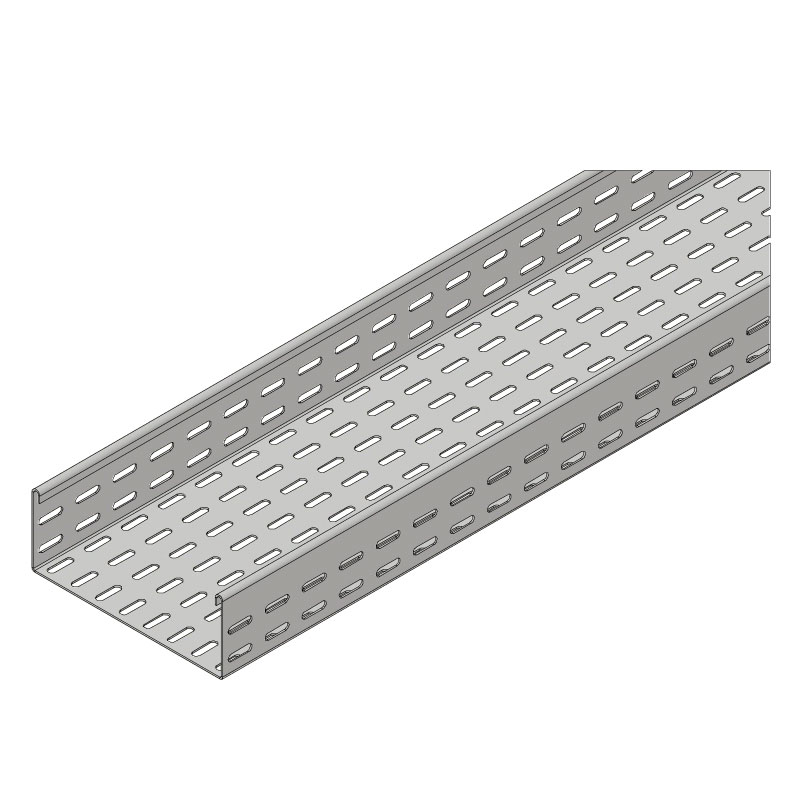
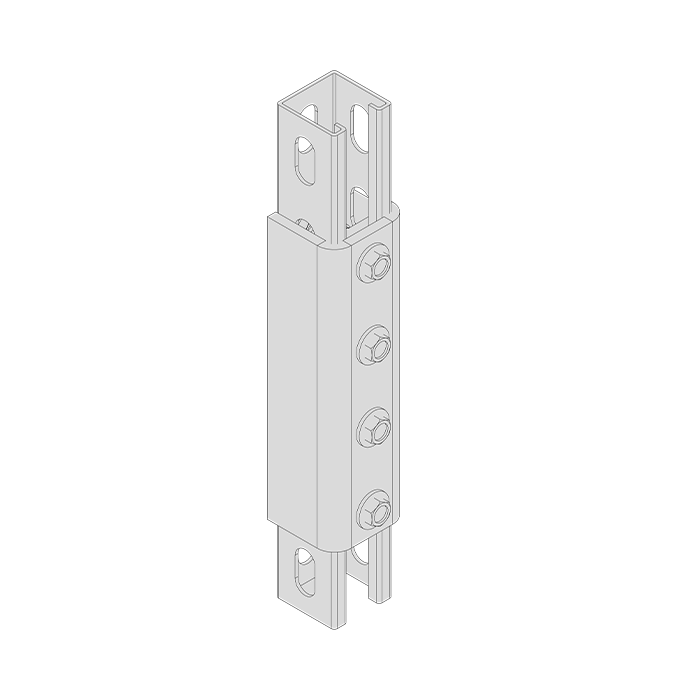
Spina Group offers a complete range of cable tray accessories and fixing components designed to simplify installation and ensure maximum stability for electrical and instrumentation systems.
Our range includes cable ladder accessories, joints, and fixing brackets that guarantee safe and quick assembly for all cable tray types, from perforated to ladder and wire mesh.
Among our most requested solutions are cable tray joints and expansion joints, which allow flexibility and compensate for thermal expansion, maintaining the alignment and mechanical strength of the system even under temperature variations.
The accessory line also includes separators, end edges, wall supports, and floor fixings, available in Hot-Dip Galvanised (HDG), stainless steel, and aluminium to ensure compatibility with all Spina Group cable tray systems.
Every fixing accessory is engineered according to European standards, offering durability, corrosion resistance, and ease of installation — the ideal choice for industrial and infrastructure applications.
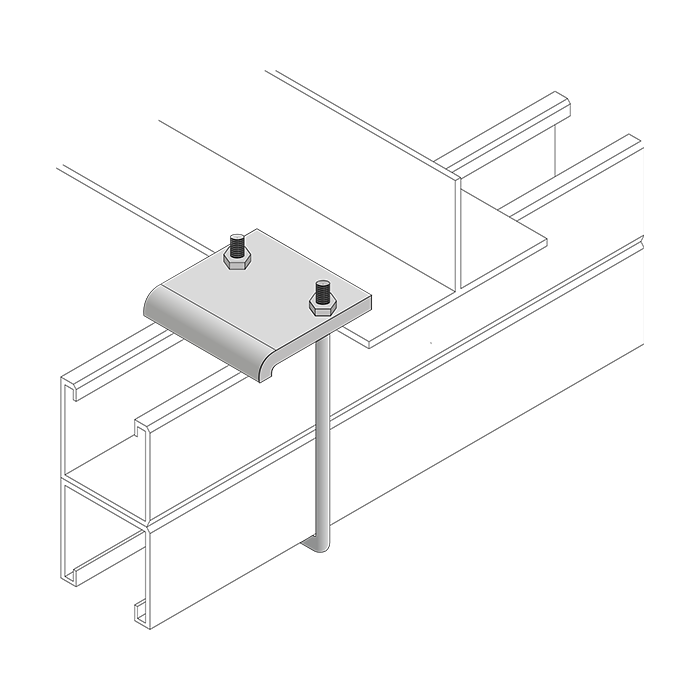
Spina Group designs and manufactures a complete range of cable trays brackets, supports, and hardware components to ensure fast, safe, and durable installation of cable management systems.
Our fixing hardware includes angle beams, steel brackets, and support plates engineered to guarantee excellent load capacity and resistance to vibration and corrosion. Each component is designed for compatibility with Spina Group cable trays and cable ladders, ensuring a consistent and modular installation.
The product line covers a full set of cable ladder fittings, including connectors, clamps, cover clamps, and expansion accessories, all designed to facilitate assembly and maintenance operations.
Manufactured in Hot-Dip Galvanised (HDG), stainless steel, or aluminium, our angle beam steel supports and fixing plates are suitable for industrial environments such as energy, process plants, and infrastructure projects.
Additional accessories such as protector rolls, collars, shelves, and mounting hardware complete the range, providing engineers and installers with a reliable and fully compatible system for every requirement.
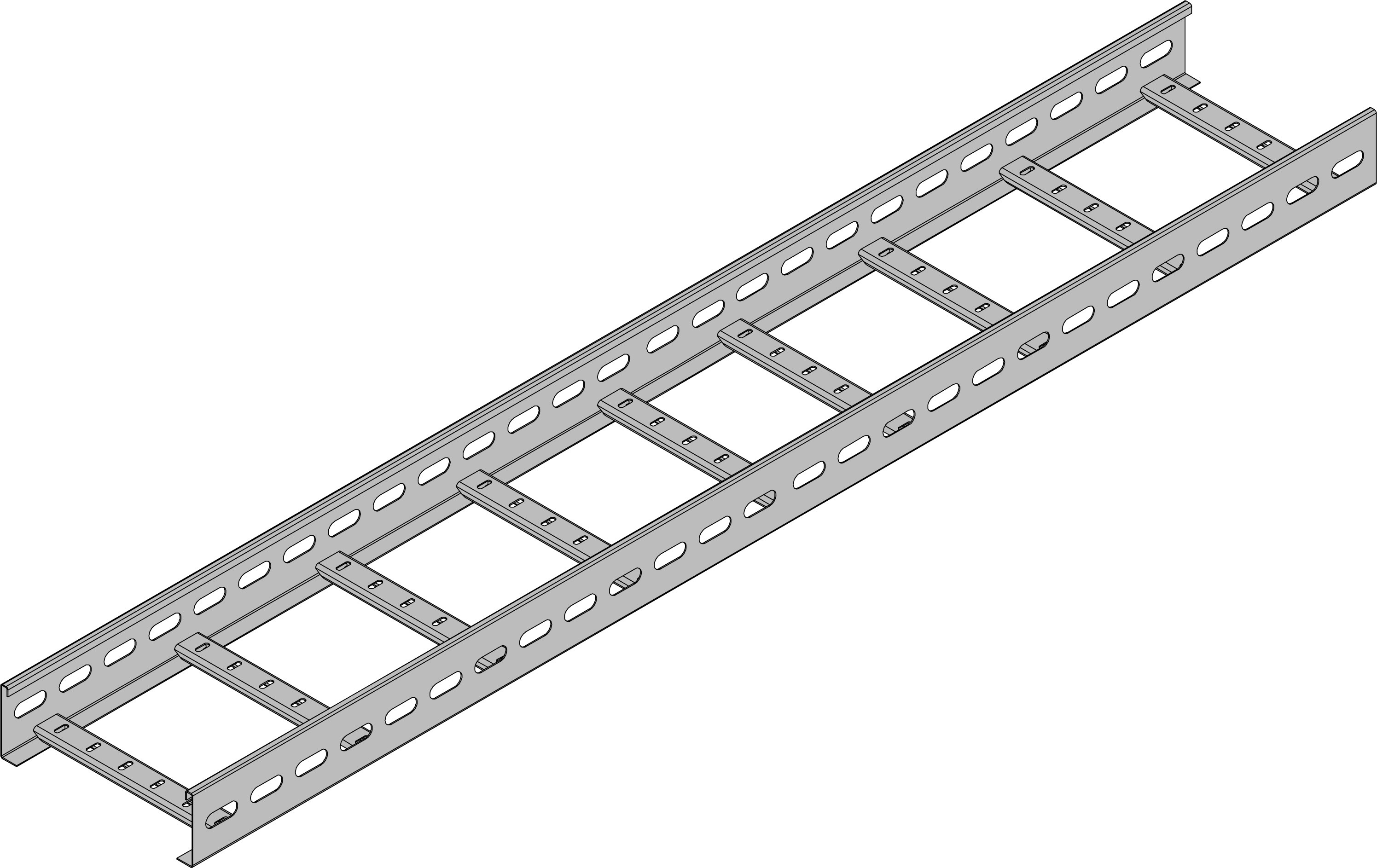
Spina Group designs and manufactures cable ladders for industrial and infrastructure projects requiring reliable and ventilated support systems for electrical and instrumentation cables.
Each ladder tray combines high mechanical resistance and maximum ventilation, ensuring safe cable routing even in high-temperature environments. Thanks to their open structure, ladder cable trays are ideal for heavy-duty industrial applications where fast installation and accessibility are key.
Our cable ladder systems are available in Hot-Dip Galvanised (HDG) and stainless steel, with optional aluminium ladder trays for lightweight or corrosion-sensitive environments. Every model ensures full compatibility with Spina Group accessories and conforms to EN and UL standards.
Standard widths include 300mm ladder trays and larger custom sizes, offering flexibility for both compact and large-scale installations.
Accessories such as elbows, junctions, supports, and fixing systems guarantee complete modularity and safe installation in any industrial setting.