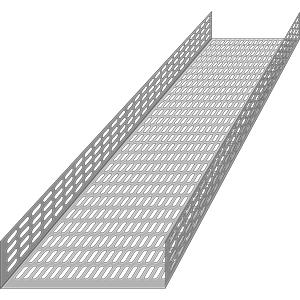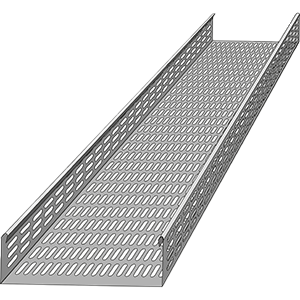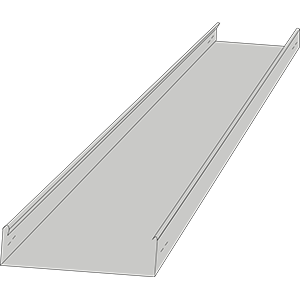
Spina Group designs and manufactures cable ladders for industrial and infrastructure projects requiring reliable and ventilated support systems for electrical and instrumentation cables.
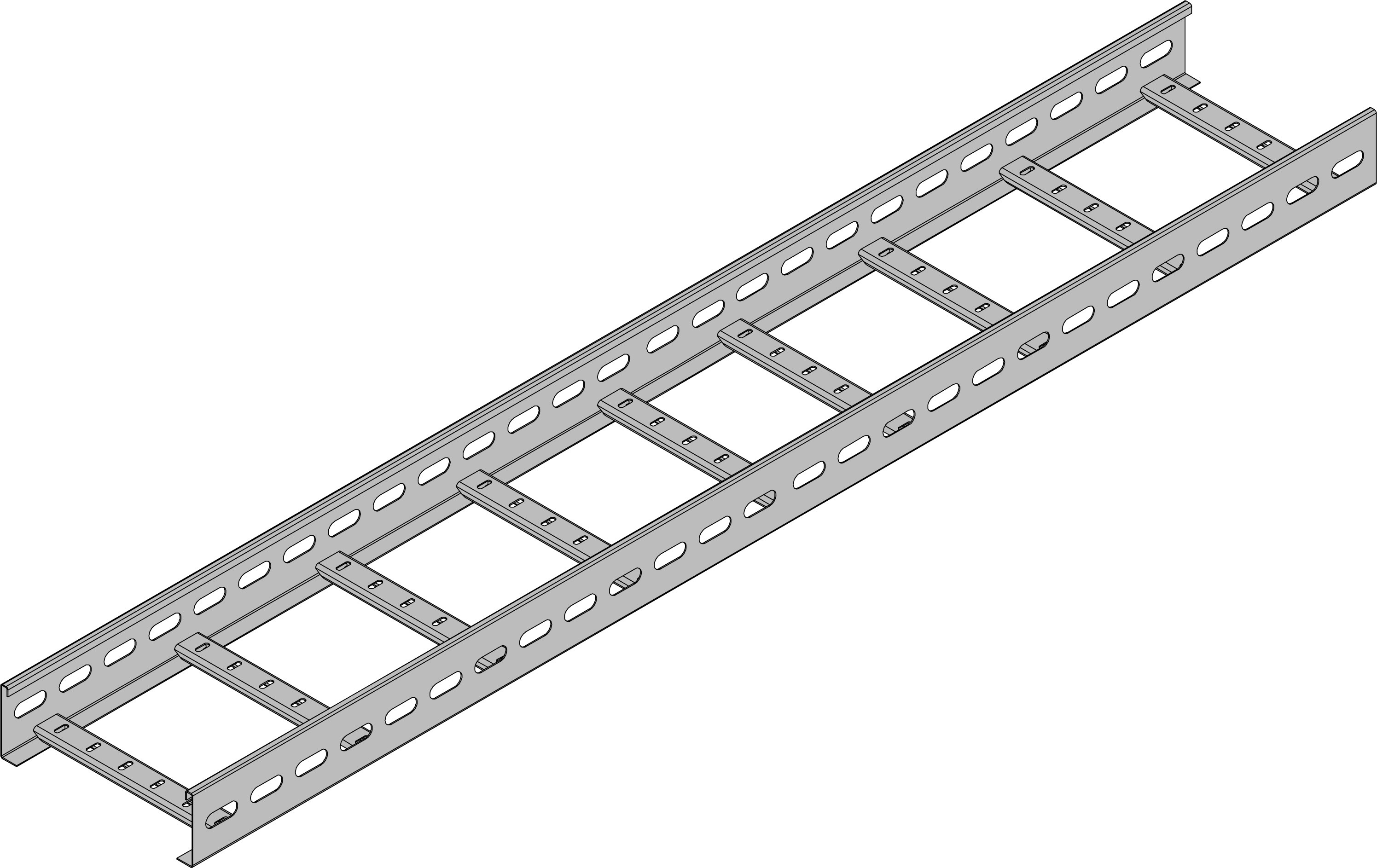
Each ladder tray combines high mechanical resistance and maximum ventilation, ensuring safe cable routing even in high-temperature environments. Thanks to their open structure, ladder cable trays are ideal for heavy-duty industrial applications where fast installation and accessibility are key.
Our cable ladder systems are available in Hot-Dip Galvanised (HDG) and stainless steel, with optional aluminium ladder trays for lightweight or corrosion-sensitive environments. Every model ensures full compatibility with Spina Group accessories and conforms to EN and UL standards.
Standard widths include 300mm ladder trays and larger custom sizes, offering flexibility for both compact and large-scale installations.
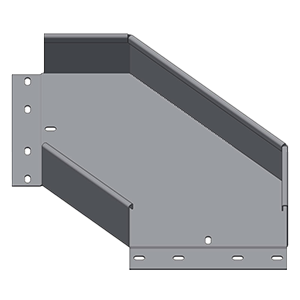
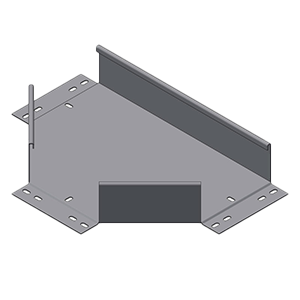
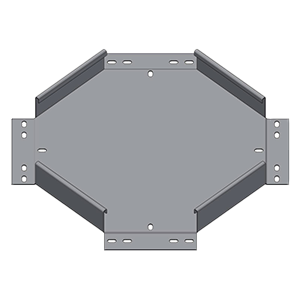
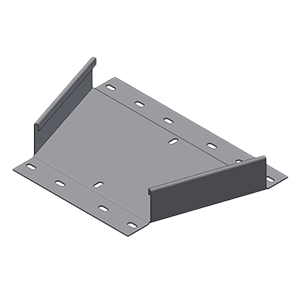
Accessories such as elbows, junctions, supports, and fixing systems guarantee complete modularity and safe installation in any industrial setting.

Spina Group offers a complete range of wire mesh cable trays designed for versatility and reliability in modern electrical and instrumentation installations.
The metal mesh tray system is ideal for environments where cleanliness, ventilation, and fast installation are essential. Thanks to its open structure, it ensures optimal airflow and easy cable routing, reducing heat accumulation and maintenance time.
Our mesh cable trays are available in galvanised, stainless steel, or electro-zinc finishes, providing high resistance to corrosion and mechanical stress. Each system includes straight elements, shelves, connectors, and covers — fully compatible with other Spina Group tray systems.
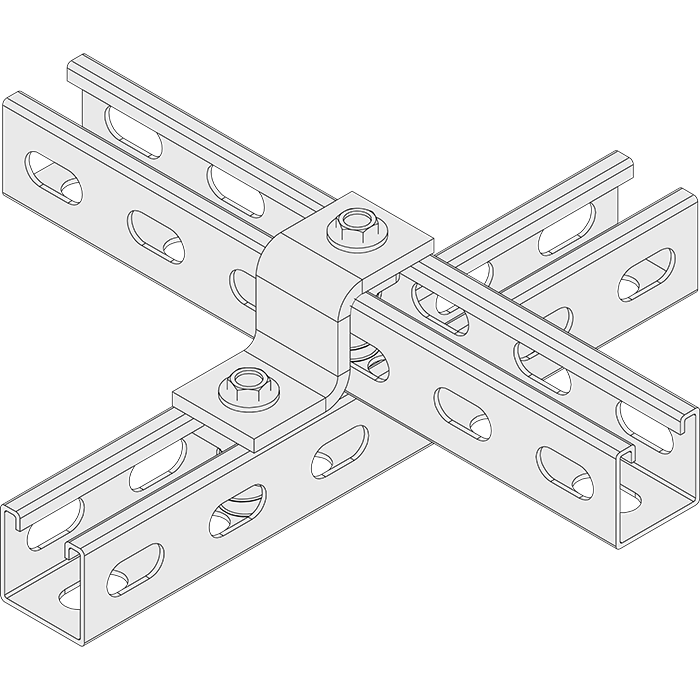
A wide range of installation accessories is available, including floor supports, single-rod fixing brackets, suspension brackets, wall shelves, partition walls for walkways, and universal clips for covers. These elements allow safe and flexible assembly in any industrial setting.
The wire mesh cable tray system is suitable for multiple industries such as food processing, telecommunications, construction, and oil & gas, ensuring strength and modular design in every application.